Medical Imaging Technology

What is Medical Imaging Technology?

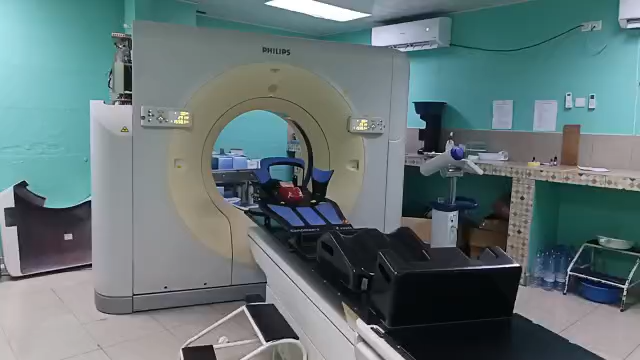
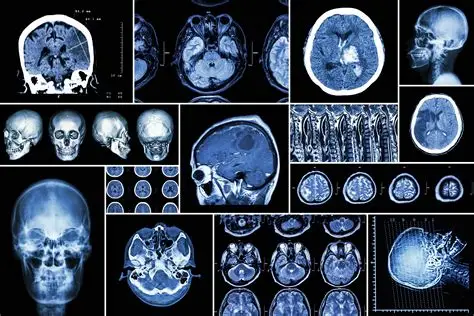
Medical Imaging Technology is the cornerstone of modern diagnostic medicine. It is a sophisticated field that blends advanced physics, human anatomy, and cutting-edge computer science to “see” inside the human body without surgery. At St. Louis University Institute, our program is not just about acquiring images; it is about mastering the art and science of digital signal processing, radiation physics, and clinical pathology.

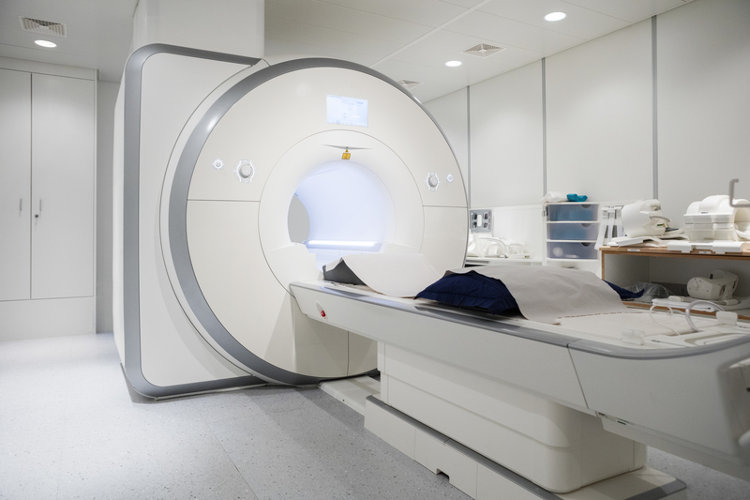
The modern Medical Imaging Scientist is a vital clinical consultant, a guardian of radiation safety, and a master of high-tech modalities including Digital Radiography (DR), Computed Tomography (CT), Magnetic Resonance Imaging (MRI), and Diagnostic Medical Sonography. As healthcare shifts toward personalized medicine and minimally invasive procedures, the demand for highly skilled imaging professionals continues to surge globally.
About the Department

The Eye of Medicine

The Department of Medical Imaging Technology at St. Louis University Institute is a premier center for radiologic education in Cameroon. We are dedicated to producing world-class Medical Imaging Scientists (Radiographers) who possess the technical acumen to operate multi-million dollar equipment and the clinical empathy to provide exceptional patient care. Our curriculum is anchored in the latest international protocols for ALARA (As Low As Reasonably Achievable) radiation safety and evidence-based diagnostic reporting thereby meeting international standards.

Our Vision

To be the leader in Medical Imaging education in Central Africa, recognized for integrating advanced artificial intelligence (AI) in diagnostics and producing ethical, research-oriented imaging experts

Our Mission

To provide rigorous, technology-driven education that produces competent Medical Imaging professionals capable of delivering high-quality diagnostic services and contributing to the advancement of radiologic sciences through research.

Core Value

  • Precision: Ensuring the highest diagnostic quality in every acquisition.
  • Radiation Safety: Absolute commitment to protecting patients and staff from unnecessary ionizing radiation.
  • Technological Agility: Adapting swiftly to innovations in MRI, CT, and Interventional Radiology.
  • Ethical Professionalism: Upholding patient confidentiality and dignity in the clinical environment.

Training Scheme & Philosophy

Our training follows a clinical-competency model. Students transition from intensive classroom physics and anatomy to high-fidelity laboratory simulations, eventually moving into clinical rotations at top-tier hospital imaging departments.

We emphasize:

  • Physics of Modalities:Deep dives into X-ray production, Nuclear Magnetic Resonance, and Piezoelectric effects.
  • Image Post-Processing:Mastering 3D reconstructions, Multiplanar Reformats (MPR), and Maximum Intensity Projections (MIP).
  • Pathological Correlation: Learning to recognize abnormal radiographic patterns to assist radiologists in definitive diagnosis.

OBJECTIVES OF THE PROGRAM

Upon completion, graduates will be equipped to:
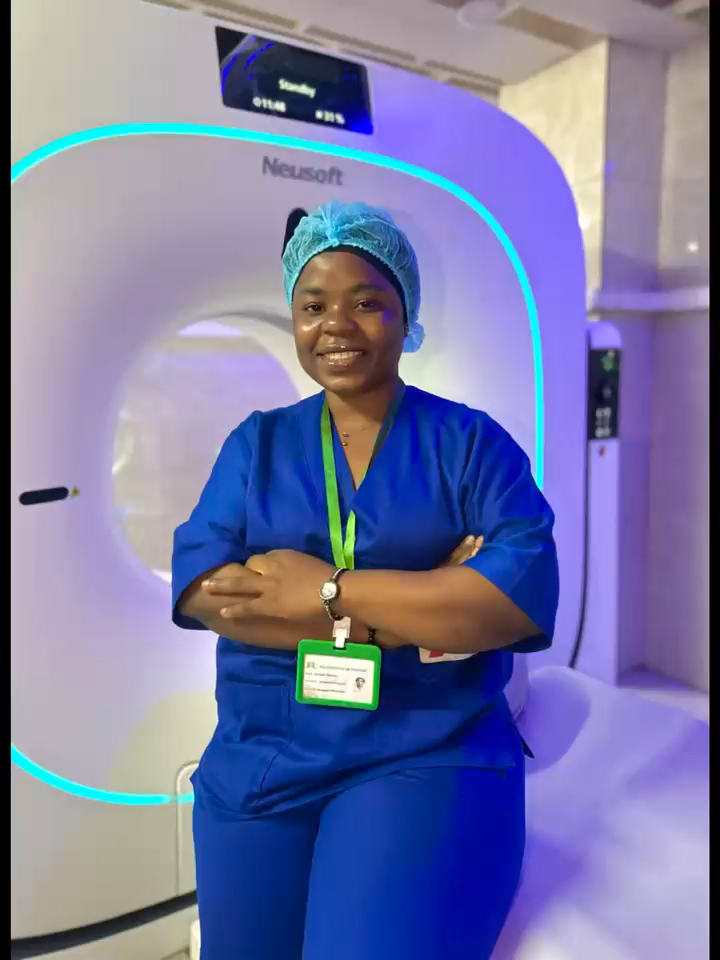
  • Perform complex diagnostic procedures across all imaging modalities (X-ray, CT, MRI, Ultrasound).
  • Implement advanced radiation protection protocols and Quality Assurance (QA) testing for imaging equipment.
  • Critically analyze medical images for technical quality and diagnostic accuracy.
  • Conduct specialized procedures in Interventional Radiology and Cardiac Catheterization labs.

PROGRAMME DURATION

  • HND in MIT:3 Years (6 Semesters) including mandatory clinical internships.
  • Direct BSc. in MIT:4 Years (8 Semesters) encompassing advanced modalities and research.
  • Top-up BSc. in MIT:1 Year (2 Semesters) for HND holders looking to upgrade their clinical and theoretical depth.
  • In MIT: 2 Years (4 Semesters) focused on clinical specialization and advanced imaging research.

CAREER OPPOTUNITIES

Clinical Radiography & Specializations

  • MRI/CT Technologist:Operating high-field magnets and multi-slice scanners in specialized diagnostic centers.
  • Diagnostic Medical Sonographer:Performing obstetric, abdominal, and vascular ultrasound scans.
  • Interventional Radiologist Assistant:Assisting in minimally invasive image-guided surgeries and biopsies.
  • Mammographer: Specialized breast imaging for early cancer detection.

Healthcare Management & Informatics

  • PACS/RIS Administrator:Managing the digital storage, retrieval, and distribution of medical images (Telereporting).
  • Quality Operations Manager:Overseeing safety standards and equipment calibration in large hospitals.

Corporate & Industry Roles

  • Application Specialist:Training doctors and staff on how to use new equipment for global giants like GE, Siemens, or Philips.
  • Sales & Product Management:Strategic consulting for the procurement of medical imaging suites.

Academia & Research

  • University Lecturer: Training the next generation of Imaging Scientists.
  • Clinical Researcher: Investigating the use of AI in automated image recognition and dose optimization.

Join our academic community, develop your character, and achieve excellence.

Affiliated with the University of Buea