
Agronomy is a rigorous and rewarding program where you don’t just study crops and soils, you develop the scientific and practical skill set to feed nations and protect ecosystems. Agronomy is more than farming; it is a dynamic, technology-driven field at the heart of food security, climate resilience, and sustainable development. Today’s agronomists are crop specialists, soil stewards, climate-smart advisors, agribusiness innovators, researchers, and policy shapers. With growing demand for food, bio-based industries, and climate adaptation, your education equips you to understand plants, soils, systems, and the critical intersection where yield, profit, and sustainability are decided.
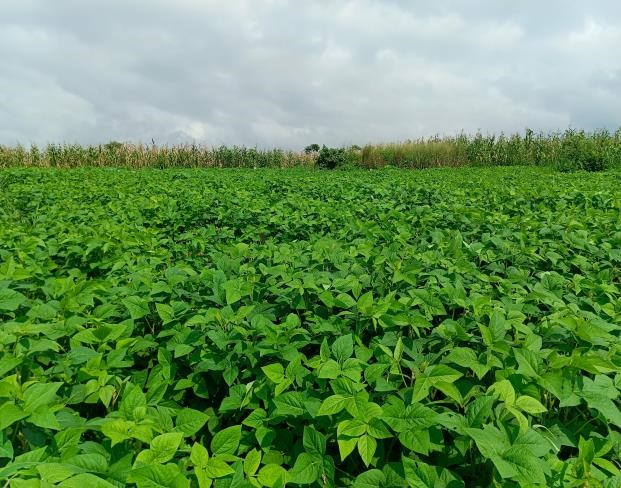
The Department of Agronomy at St. Louis University Institute is dedicated to excellence in agricultural education, research, and extension. We are committed to training competent, ethical, and innovative agronomists who will transform crop production systems and contribute significantly to national food security and the agri-food industry. Our programs are designed to equip students with a strong foundation in plant, soil, and environmental sciences fundamental to crop improvement, sustainable production, post-harvest management, and agribusiness.
To be a leading department in agronomy, recognized for academic rigor, field-based innovation, and the production of highly skilled, ethical, and entrepreneurial professionals who drive sustainable agricultural transformation and agribusiness development.
To provide high-quality, accessible, and relevant agronomic education that instills entrepreneurial skills and mindset, empowering graduates to meet the evolving needs of agriculture, agribusiness, and environmental stewardship while creating jobs and value across the agricultural value chain in Cameroon and beyond.
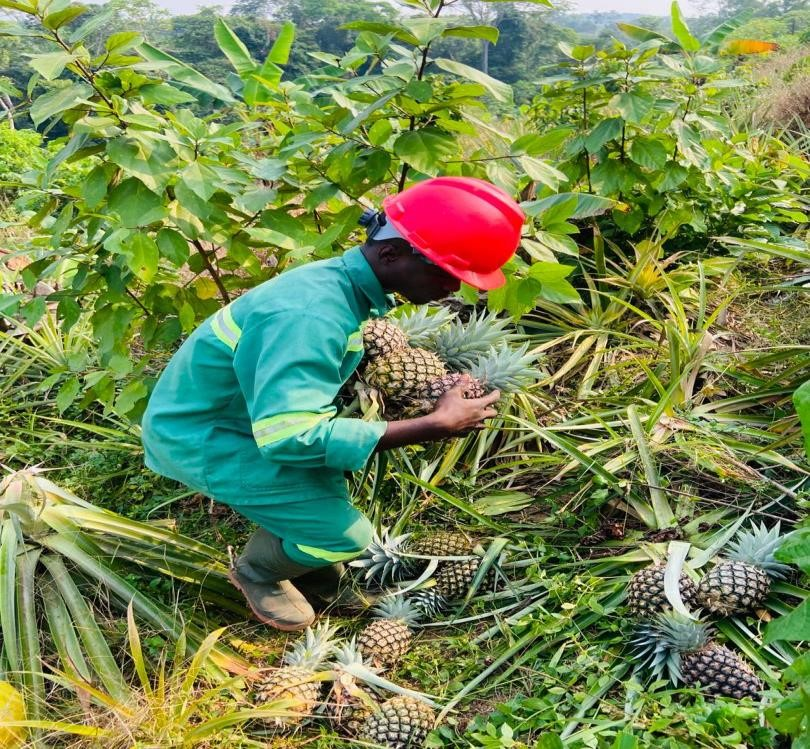
Our curriculum integrates crop science, soil science, and agribusiness with intensive hands-on field experience. We use lectures, laboratory practicals, field demonstrations, farm visits, case studies, seminars, business plan development, and structured industrial internships to ensure holistic learning. Emphasis is placed on observation, experimentation, problem-solving, enterprise creation, and the application of scientific principles to real-world farm and market challenges. Students manage teaching plots from land preparation to harvest and develop agribusiness models across multiple cropping seasons.
On completion of the program, graduates should possess knowledge and competencies in crop production, soil fertility management, pest and disease control, and agribusiness to enable them to:
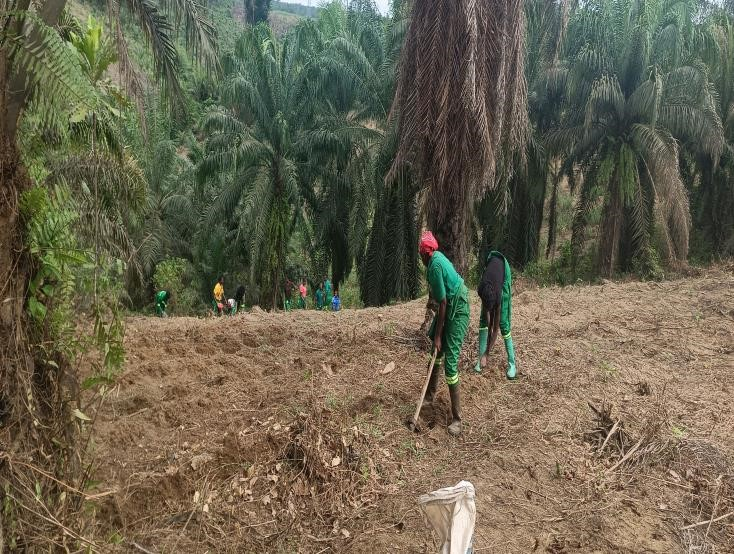
Direct BSc. in Agronomy: 4 years or 8 semesters of full-time training interspersed with practical field work, farm attachments, and supervised student projects.
Top-Up BSc. in Agronomy: 2 years or 4 semesters for students holding a Higher National Diploma (HND) in Agriculture or related fields, leading to the award of a Bachelor of Science (BSc) in Agronomy. The program builds on prior technical training with advanced courses, research, agribusiness specialization, and enterprise development.
HND in Agricultural Production Technology: 2 years or 4 semesters of technical training with a strong emphasis on practical skills in crop and animal production, farm machinery, irrigation, and post-harvest technology.
Join our academic community, develop your character, and achieve excellence.
Affiliated with the University of Buea