
Bienvenue au Département de Sages-femmes, où nous nous engageons à promouvoir l’excellence dans la formation des sages-femmes, la recherche et la pratique clinique. Notre mission est de former des professionnelles compétentes, compatissantes et éthiques, capables d’assurer une prise en charge de qualité de la mère, du nouveau-né et de la famille.
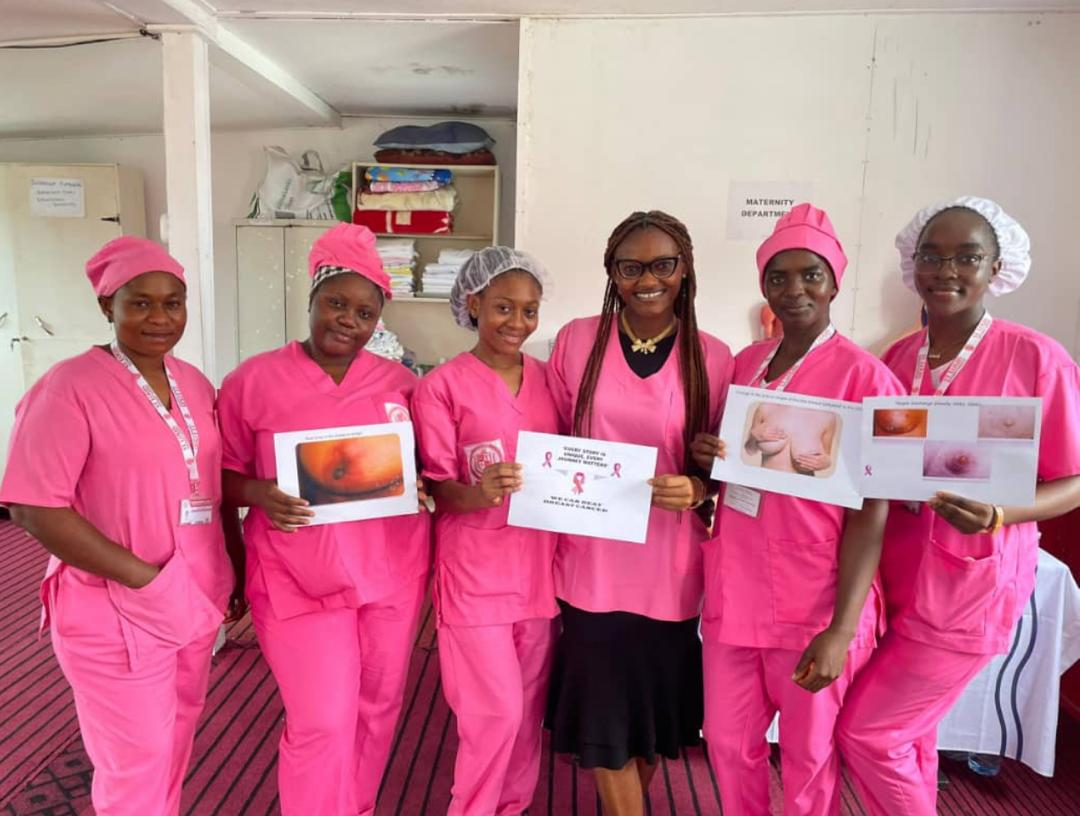
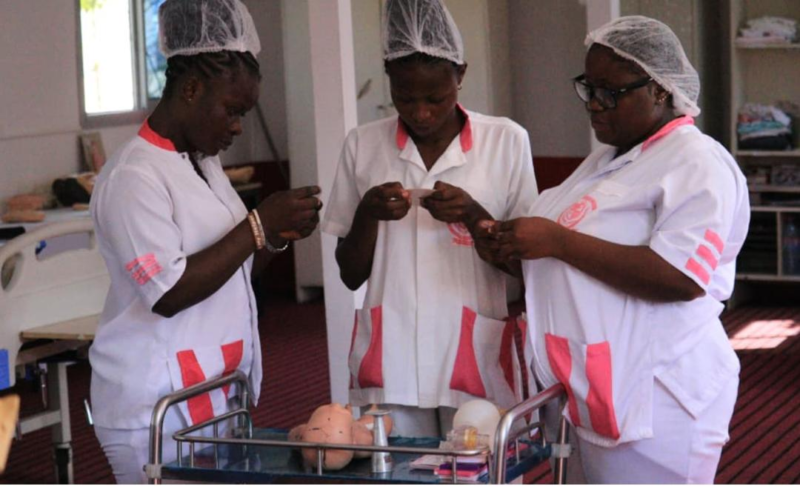
Le Département de Sages-femmes s’engage à offrir une formation de haute qualité intégrant la théorie, la pratique clinique et la recherche. Nous préparons les étudiantes à offrir des soins maternels et néonataux holistiques, sécurisés et centrés sur la patiente.
Les sages-femmes jouent un rôle essentiel dans :
Être un centre d’excellence de référence en formation de sages-femmes, reconnu pour la formation de professionnelles hautement qualifiées, innovantes et empreintes de compassion. Former des sages-femmes hautement compétentes, humaines et engagées, capables de garantir des soins maternels et néonatals de qualité, contribuant ainsi à la réduction de la mortalité maternelle et infantile et à l’amélioration de la santé de la population.
Offrir une formation de qualité dotant les étudiantes des connaissances, des compétences cliniques et des valeurs éthiques nécessaires pour assurer des soins maternels et néonataux sûrs et efficaces.
Le Département de Sages-femmes repose sur les valeurs suivantes :
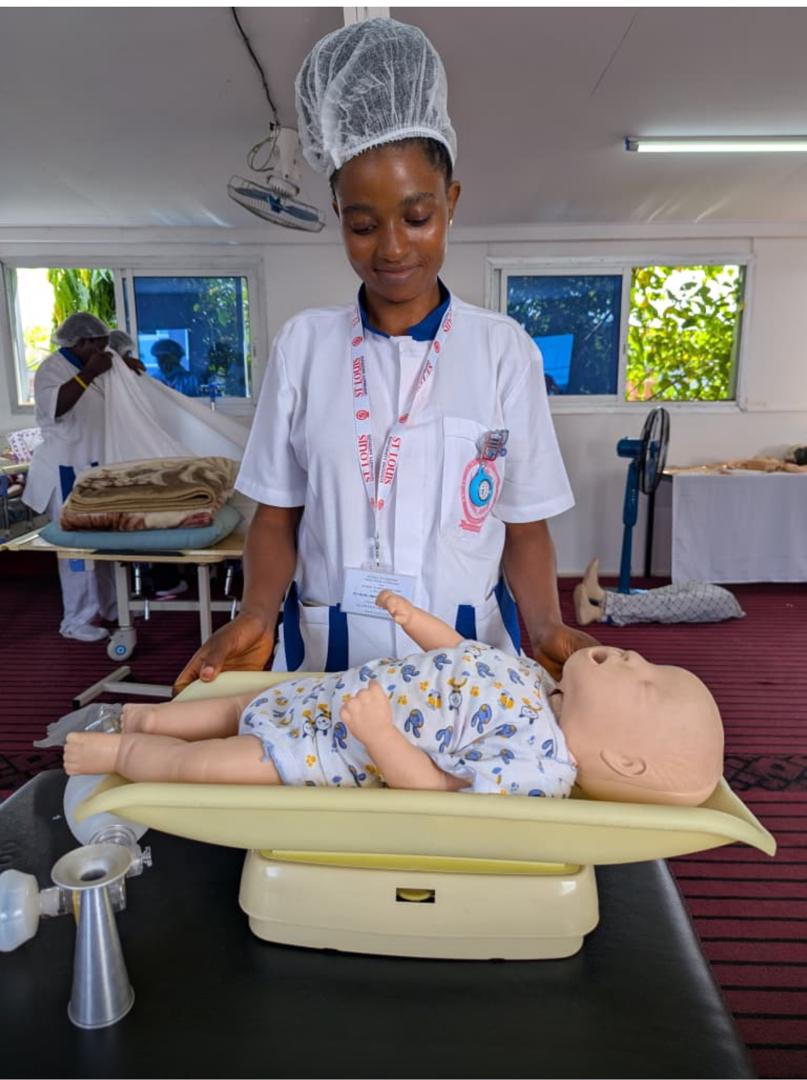
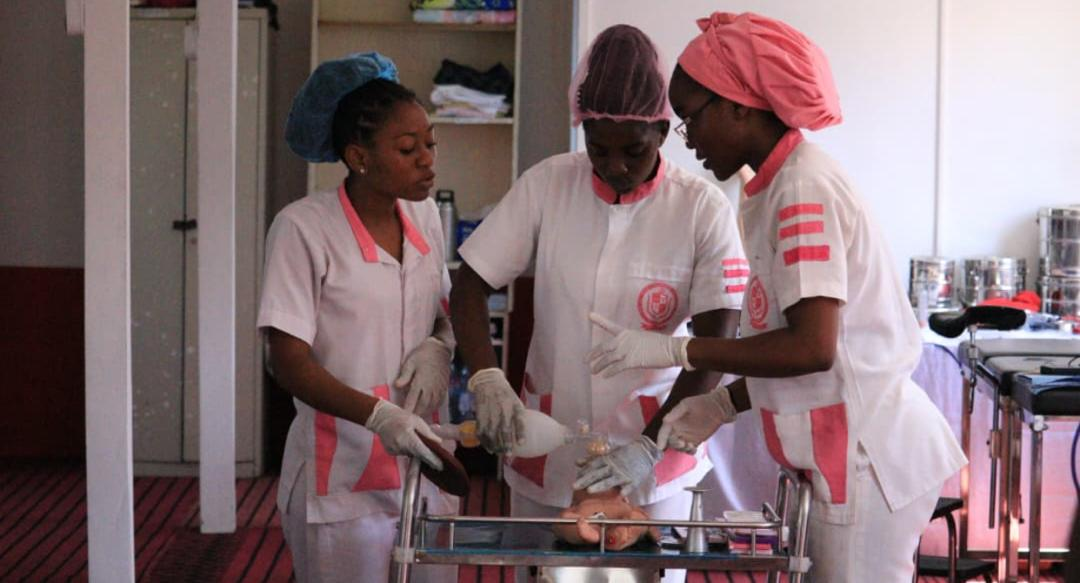
Nos programmes associent l’apprentissage théorique à une expérience clinique pratique afin de préparer efficacement les étudiantes à la réalité du terrain.
Méthodes d’enseignement :
À l’issue de leur formation, les diplômées seront capables de :
Spécialisations possibles :
Les diplômées peuvent exercer dans :
Join our academic community, develop your character, and achieve excellence.
Affiliated with the University of Buea